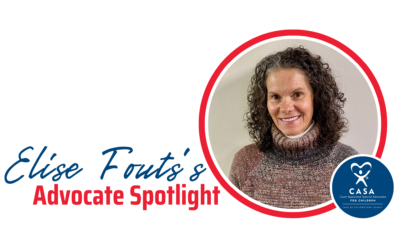
I grew up in western North Dakota as a farm and ranch kid, the youngest of seven siblings. Like most children raised on a ranch in the 1950s and 1960s, we did everything-riding horses, tending cattle, and operating farm equipment from a young age.
I left home to attend college and became a nurse anesthetist. I practiced anesthesia for 44 years while working full time, marrying, and raising three children. In 1981, our family moved to Billings.
Throughout my career, I cared for infants and children who had experienced severe trauma—abuse, burns, beatings, and rape. These are circumstances I will never forget.
I learned early on that, for my own mental health, I needed strong habits and interests outside of work. I continued riding horses and took many trips into Montana’s wilderness with my husband and children. We downhill and cross-country ski, hike, backpack, flat-water kayak, walk, read, garden, and travel both nationally and internationally. Today, my greatest joy is watching our grandchildren play sports, participate in music, and simply spending time together.
I became a CASA volunteer over eight years ago after conversations with several friends who were already serving in the role. I intentionally waited until I retired so I could devote the time and energy the position deserves. Having spent my professional life caring for infants and children, I knew that being a CASA would be deeply meaningful.
I am currently working with a three-year-old girl who is in the foster system for the second time. I was also her CASA during her first placement. This beautiful child is my sixth CASA child. She has the speech of an adult, is loving and tender, and truly knows how to play. She delights in being chased around her foster home, especially by Foster Dad, who is very good at the game. Last summer, she participated in a tiny-tot swim class.
When I visit the children I serve, I don’t arrive with a checklist or agenda. I check in with the child and let them lead, if they are able. I listen—without judgment or assumptions—with an open mind and open ears. I ask questions only about them.
I am deeply grateful that my former CASA children still want me to visit. One child, who is severely handicapped, runs into my arms and gives me a big bear hug. Another, now a young teenager, tells me, “You are on my mind frequently.” I am humbled and grateful for their kindness.
I greatly appreciate the CASA staff and their accepting attitude toward all children in the foster system. They are in the business of child welfare because they truly care. The continued education, guidance, and moral support they provide is phenomenal.
To anyone considering becoming a CASA, I would encourage you to educate yourself about your child’s history: ACE scores, PTSD, generational trauma, disabilities, and physical or mental health challenges. Learn how these experiences affect the body and mind. Understand that healing takes time and hard work, especially for the child. Offer your attention, patience, and unwavering support without judgment. And bless you for stepping forward.